
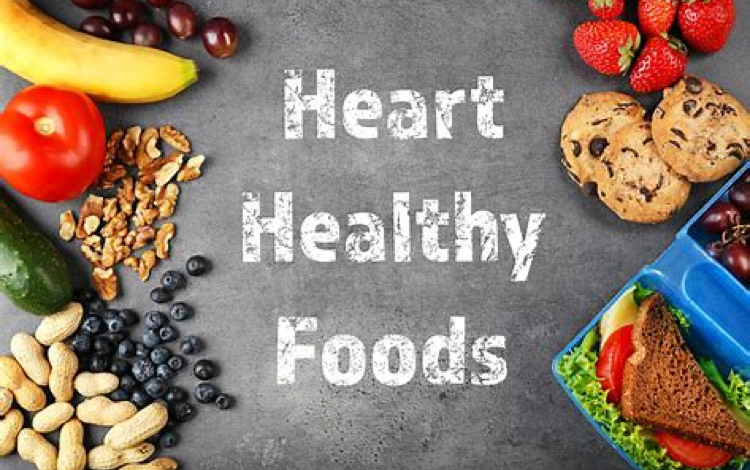
Your diet plays a crucial role in heart health and can significantly impact your heart rate. Understanding the relationship between nutrition and heart function can help you make better dietary choices.
Key Nutrients for Heart Health
Essential Minerals
- • Potassium - regulates heart rhythm
- • Magnesium - supports heart function
- • Calcium - helps muscle contraction
Vitamins
- • Vitamin B - energy production
- • Vitamin D - heart muscle strength
- • Omega-3 - reduces inflammation
Heart-Healthy Foods
Fruits & Vegetables
- • Leafy greens
- • Berries
- • Citrus fruits
- • Avocados
Proteins
- • Fatty fish
- • Lean poultry
- • Legumes
- • Nuts
Whole Grains
- • Oats
- • Quinoa
- • Brown rice
- • Whole wheat
Meal Timing and Heart Rate
Best Practices
- • Eat regular, balanced meals
- • Avoid large meals before bed
- • Space meals 3-4 hours apart
- • Listen to hunger cues
What to Avoid
- • Skipping meals
- • Overeating
- • Late night eating
- • Excessive caffeine
Hydration and Heart Rate
Proper hydration is essential for:
- ✓ Maintaining blood volume
- ✓ Regulating body temperature
- ✓ Supporting heart function
- ✓ Preventing dehydration
Practical Nutrition Tips
Daily Habits
- 1 Start day with hydration
- 2 Include protein with each meal
- 3 Eat colorful vegetables
Meal Planning
- 1 Prep meals in advance
- 2 Keep healthy snacks ready
- 3 Balance your plate

Track Your Diet with Impulse
Download our app to monitor your nutrition and see how it affects your heart health